For a long time, cleaning meant attacking.
More foam.
More fragrance.
More chemistry.
As if efficacy had to leave a trace behind it.
Then something shifted.
People began to look at things differently:
the formulas,
the ingredients,
the warning pictograms,
the artificial scents that linger on clothes for days,
the compositions no one could really read.
A question began to surface.
What if the future of laundry care wasn't more chemical,
but more intelligent?
Nature already knew
Long before industrial laboratories, plants were already at the centre of cleaning rituals.
Some roots naturally produced foam.
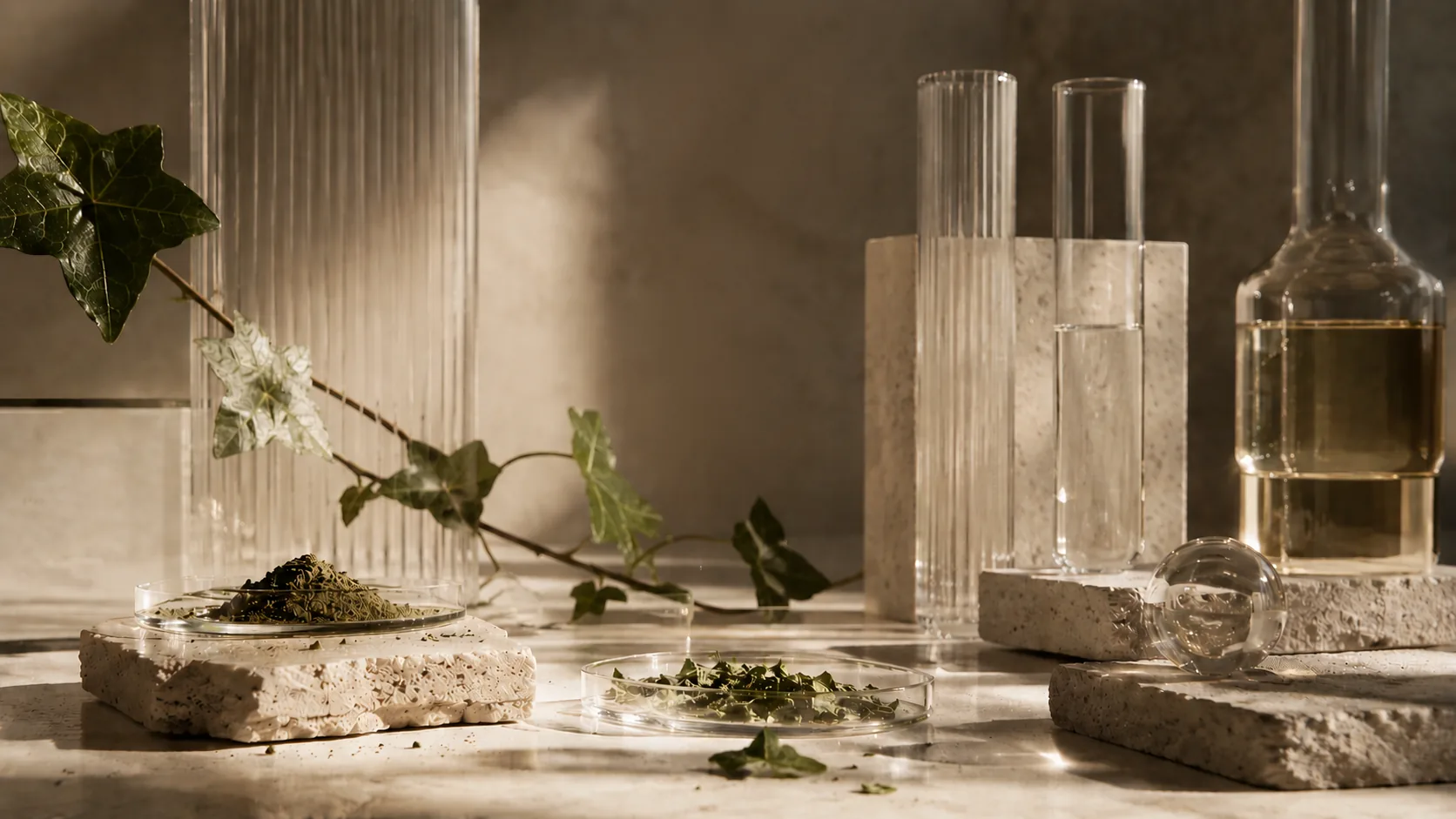
Some leaves contained plant saponins.
Some plants cleaned fabrics without harming them.
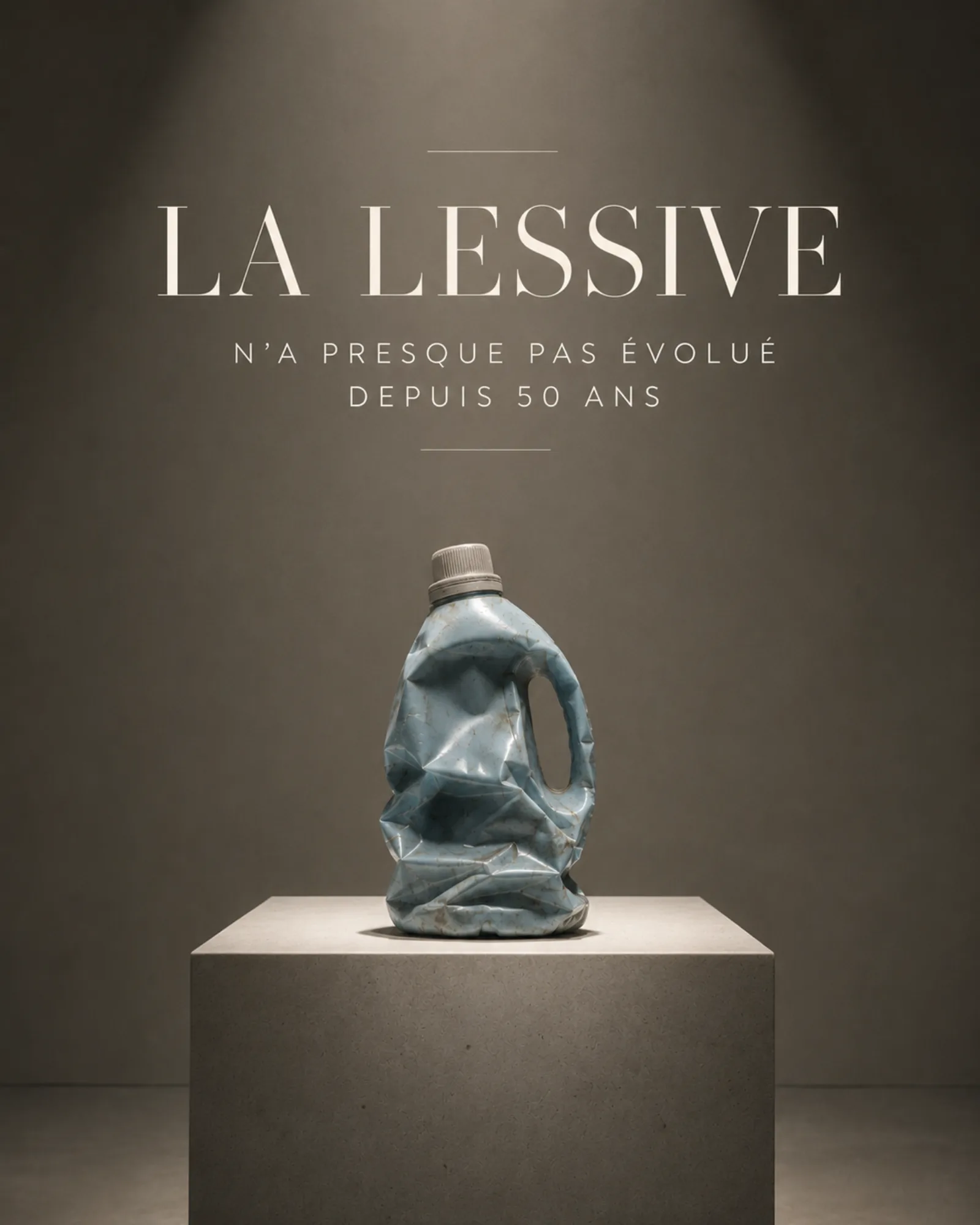
Nature hadn't waited for fluorescent plastic bottles to understand balance.
For centuries, this knowledge existed quietly.
Then it was replaced by petrochemistry, mass production and ultra-processed formulas.
Fast.
Powerful.
Standardised.
But sometimes, progress forgets what mattered.
The return of the natural is not a trend
Today, the natural is returning.
Not as a trend.
As a correction.
Because expectations have changed.
People are now looking for:
- more minimalist formulas,
- readable ingredients,
- alternatives to aggressive compositions,
- products that can be effective without saturating daily life.
Laundry care is entering this same transformation.
It is no longer only an ecological question
The subject is no longer purely ecological.
It has also become a question of skin and health.
Every day, textiles stay in direct contact with the body for hours:
clothes,
sheets,
towels,
children's clothing,
bed linen.
And yet many conventional formulas still contain:
- highly concentrated synthetic fragrances,
- dyes,
- preservatives and compounds whose effects on sensitive skin are receiving growing attention,
- chemical residues designed to persist on fabric.
For a long time, this was considered normal.
Today, more and more people living with sensitive skin, allergies or discomfort are looking for gentler alternatives.
Not necessarily perfect.
Simply more coherent.
The plant world is not naive
The word "natural" has long been associated with something fragile.
Almost naive.
As if "plant-based" automatically meant less effective.
Yet some of the most intelligent molecules already exist in the living world.
Saponins, for example, are surfactants naturally present in certain plants.
They allow water to lift away oils and impurities.
Without excess.
Without unnecessary force.
Nature had already developed its own form of performance.
Silent.
Organic.
Precise.
Ivy, an almost forgotten plant
Among these overlooked plants, ivy holds a particular place.
Often dismissed as invasive, almost wild, it grows without assistance, without intensive farming, without sophistication.
And yet:
its leaves naturally contain plant saponins with genuine cleaning properties.
A simple plant.
Accessible.
Ancient.
Like so many things the industry had come to dismiss as "too ordinary".
The end of an aesthetic
For years, the cleaning market was built around a simple idea:
the more chemical a product looked, the more effective it seemed.
Artificial colours.
Saturated fragrances.
Aggressive promises.
Today, that aesthetic is beginning to feel exhausting.
A new generation is looking for something else:
- cleaner formulas,
- more durable materials,
- calmer routines,
- products that respect the interior as much as the people who live in it.
Home care is quietly moving away from the industrial product world and into the territory of design, wellbeing and conscious formulation.
A hybrid future
The future will probably be neither entirely chemical, nor entirely artisanal.
It will be hybrid.
Botanical and technological.
Natural and precisely formulated.
Minimalist, yet effective.
Because today, luxury no longer chases complexity.
It looks for meaning.
Coherence.
The quiet intelligence of materials.
Less volume.
Less excess.
Less invisible aggression in everyday life.
Because in the end, real progress may not be about adding more.
It may be about rediscovering what already worked.
Differently.
The plant world is not a regression.
It may simply be the next evolution.