A quieter vision of luxury textile care.
Silk was never made to survive the modern world
There was a time when we owned less.
But we cared more.
Silk belonged to those rare materials handled almost in silence.
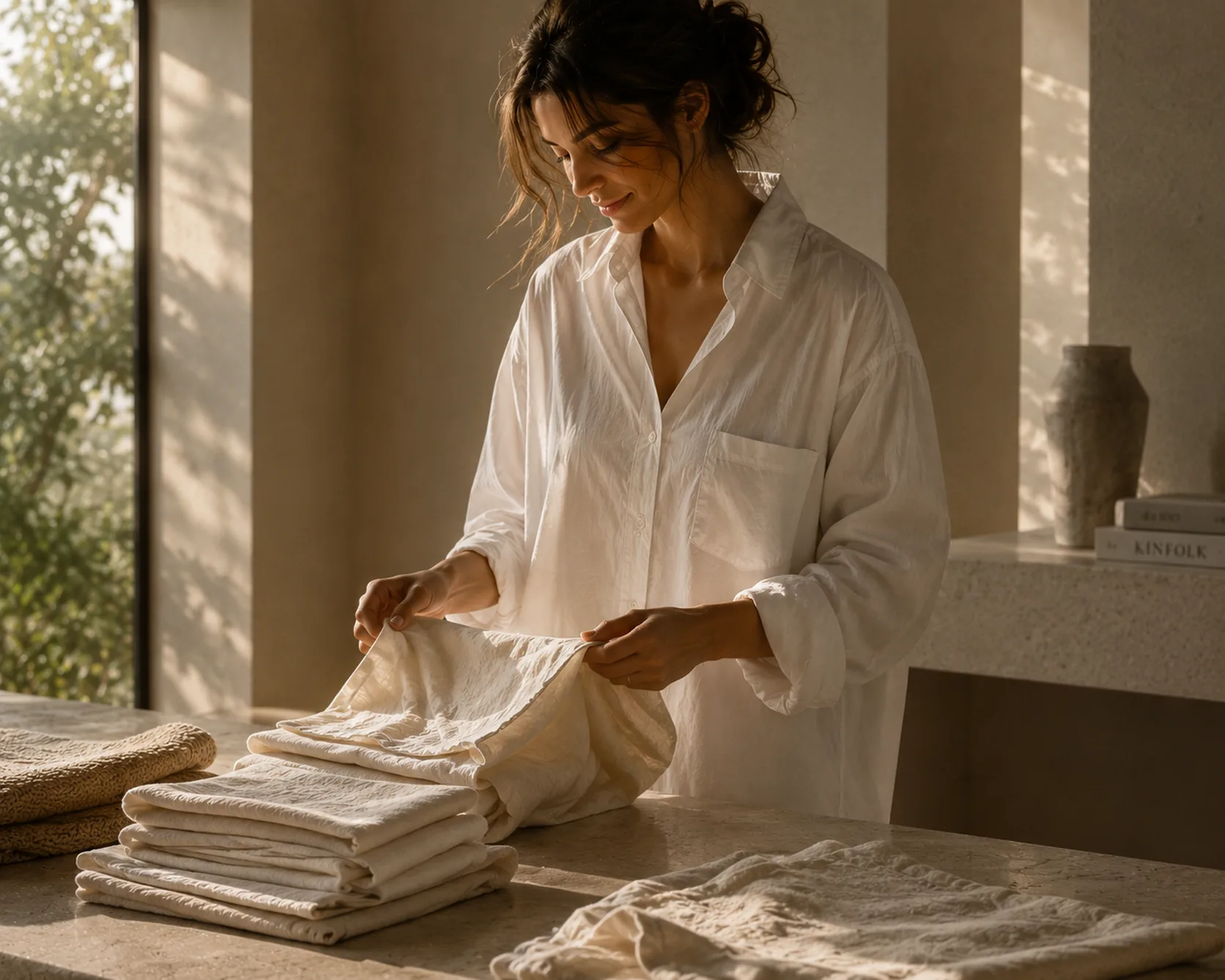
Folded slowly.
Washed apart from the rest.
Understood, instinctively, as something that did not behave like other fabrics.
Then industry arrived.
Standardisation. Mass production.
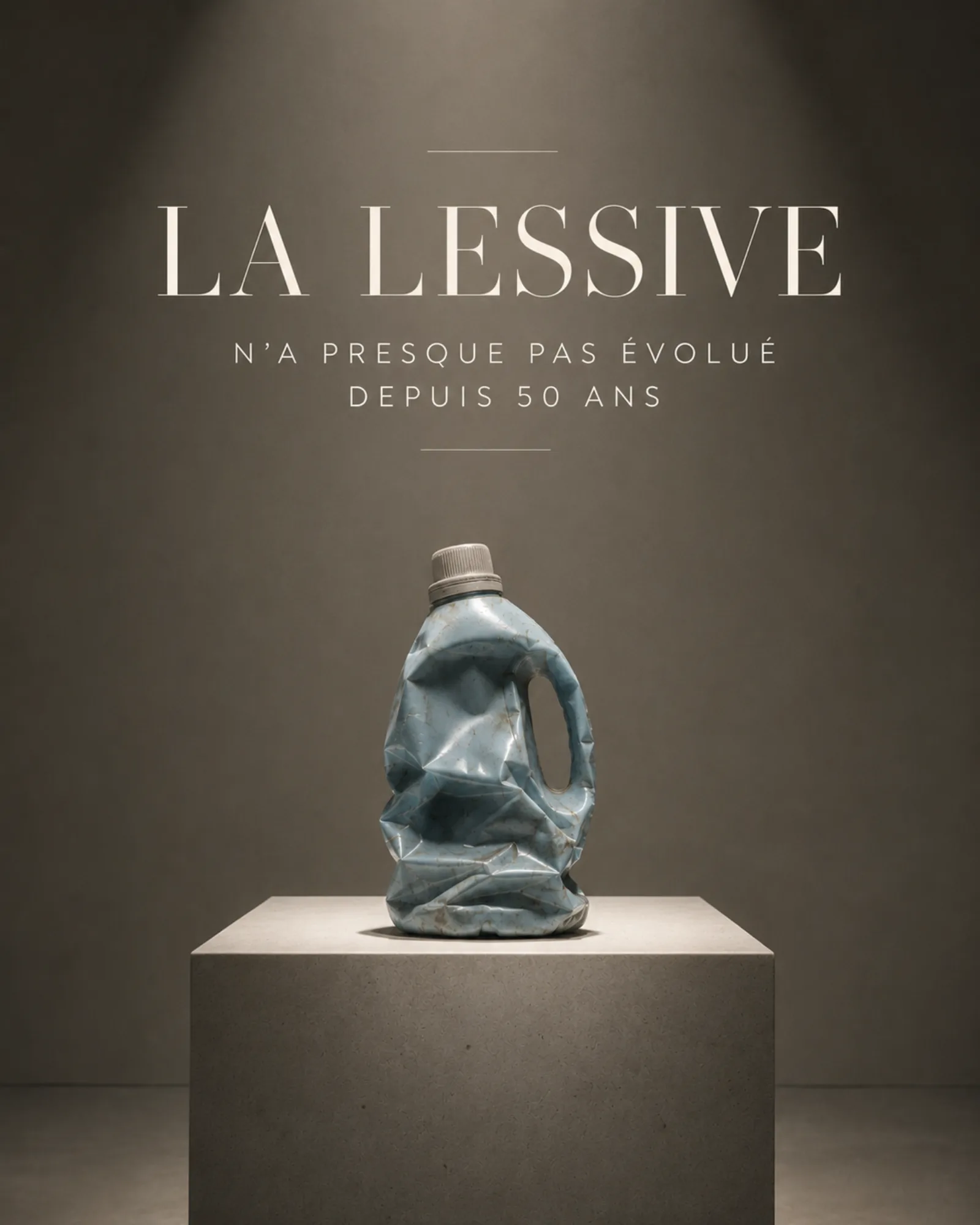
One detergent for everything.
The same synthetic perfume.
The same harshness.
The same cycle.
Silk was never designed for that.
A material born from the living
Silk is not simply soft.
It is structurally different.
A protein fibre.
Alive in the way it responds to water, heat, pH and aggressive surfactants.
This is what gives it that light no industrial process can imitate.
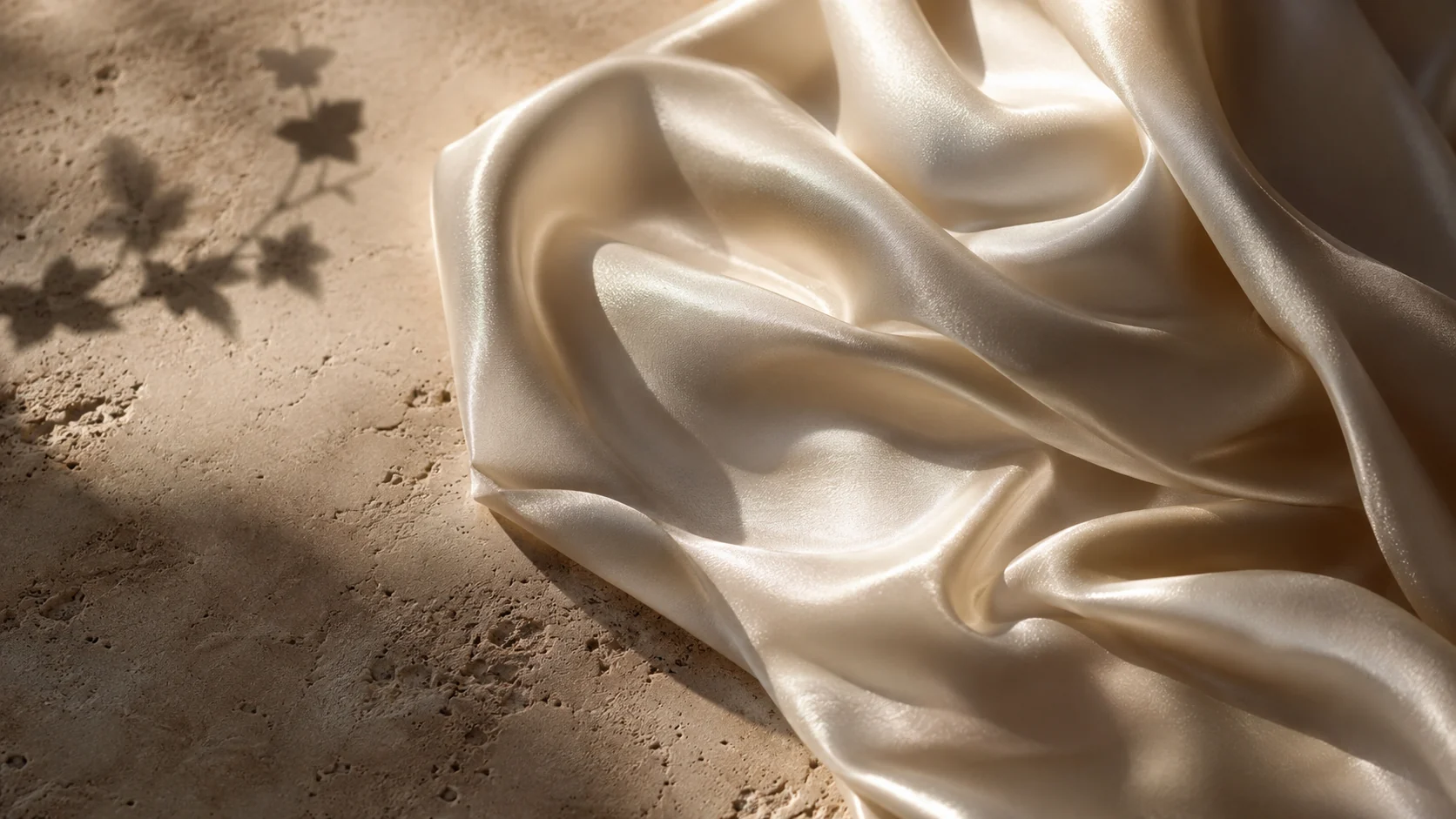
That almost liquid sheen.
That way of following movement instead of resisting it.
But this natural sophistication has a counterpart:
silk remembers every aggression.
Water that runs too hot.
A detergent that is too alkaline.
A fragrance that is too loud.
A spin cycle too brutal.
Over time, the fibre breaks in silence.
The problem was never the garment
For years, the laundry industry sold a simple idea:
the more it foams, the cleaner it is.
So the formulas became aggressive.
Heavily perfumed.
Chemically loaded.
Performance-driven.
But true sophistication never shouts.
A perfectly cut suit does not ask for attention.
A rare perfume does not saturate a room.
The most precious materials have never needed to overdo it.
Silk is the same.
How to wash silk without damaging it
Silk responds to the way it is treated.
Water that is too hot exhausts it.
A brutal spin cycle breaks it.
Direct heat dulls its light.
The truth is almost frustrating in its simplicity:
- cold or lukewarm water
- very little product
- no aggressive bleaching agents
- no violent spinning
- natural air drying
- delicate ironing at low temperature, ideally on the inside of the fabric
That is all.
Most damage comes from a series of invisible micro-mistakes.
Not from a single dramatic accident.
Modernity often destroys materials slowly.
Luxury was never about consumption
Luxury, in its origin, was the art of preserving.
Preserving a cut.
A texture.
A material.
An emotion.
Today, we replace garments that are still wearable simply because they have lost their light too soon.
Not because of time.
Because of how they were cared for.
This is precisely where a new vision of textile care begins to emerge.
More precise.
More minimal.
More attentive to what it touches.
Less water.
Less plastic.
Less aggression.
More respect for the fabric.
The return of delicate fabric care
A new generation is rediscovering something the great couture houses have always known:
not all materials should ever be treated the same way.
Silk asks for precision.
For calm.
For mastery.
Exactly like the objects that quietly cross the decades.
Steve Jobs often spoke of this invisible idea:
the quality no one sees, but everyone feels.
Silk works the same way.
You feel immediately when it has been respected.
And immediately when it has not.
The future of laundry will be quieter
Fewer absurd promises.
Less suffocating fragrance.
Less aggressive marketing.
The future of premium laundry care will probably feel closer to skincare or perfumery than to industrial detergent.
The most sophisticated products are rarely the most demonstrative.
They remove the noise.
Keep the essential.
And let the material breathe.
Because, in the end, the question may no longer be:
“How do we clean a garment?”
But:
“What truly deserves to be preserved?”
Perhaps real luxury was never about owning more.
It was about preserving better.